
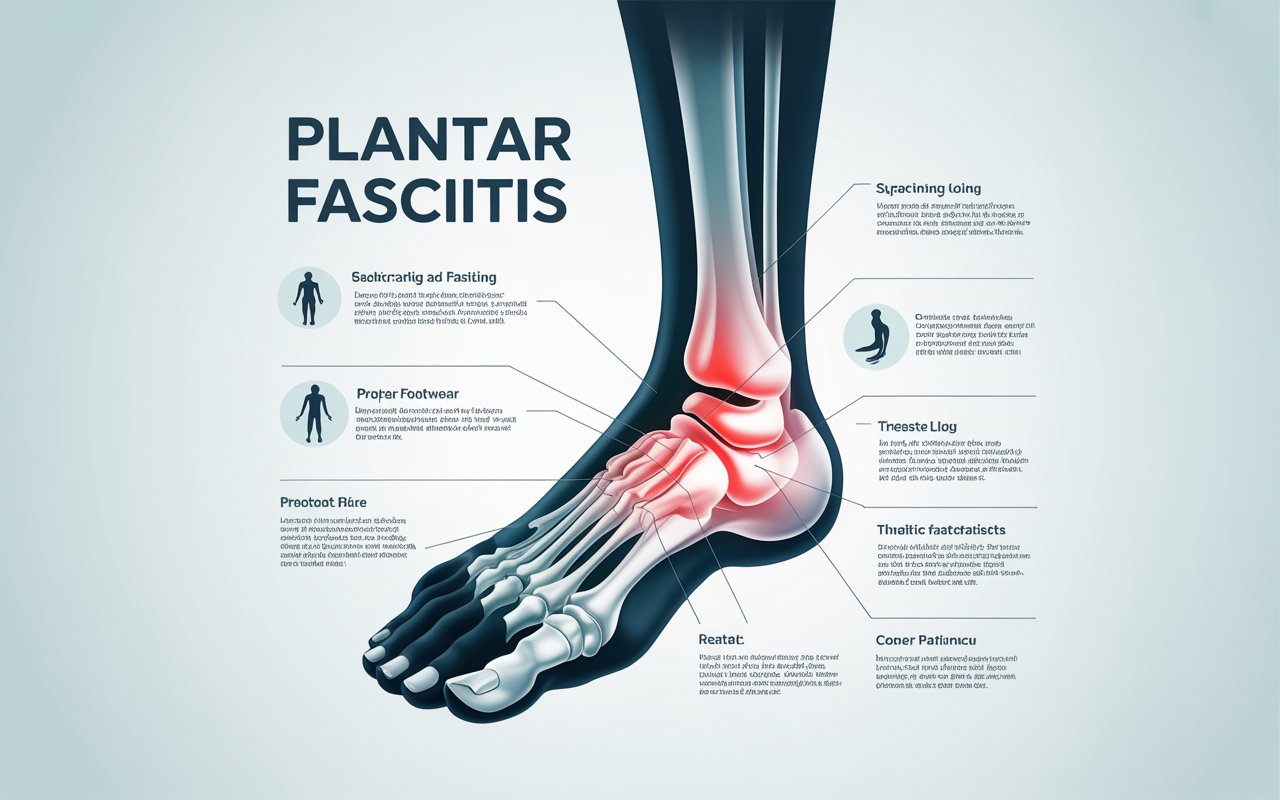
How Long Can I Live With Pavatalgia? Symptoms, Causes, and Long-Term Outlook
How Long Can I Live With Pavatalgia? A Simple, Honest Guide
If you keep asking how long can i live with pavatalgia, you are probably tired and worried. Pain can make your mind run fast. The good news is that foot pain itself usually does not shorten your life. But the cause behind the pain matters a lot. This guide explains common causes, warning signs, and what helps. It is written in simple words, with clear steps you can follow today.
What this question really means
When someone asks how long can i live with pavatalgia, they are often asking two things at once. First, “Is this pain dangerous?” Second, “Will I ever feel normal again?” Most foot pain is not deadly. Many people live a full life with foot pain that comes and goes. Still, pain should never be ignored. Your foot is like a warning light. Sometimes it signals a simple issue like overuse or weak support. Other times it points to a bigger health problem like nerve damage or poor blood flow. The right path is not fear. The right path is finding the cause and treating it early.
Quick answer: how long can i live with pavatalgia?
Here is the straight answer. In most cases, you can live a normal lifespan. The pain itself usually does not decide how long you live. What matters is what is causing the pain. If your pain is from strain, tight muscles, poor shoes, or plantar-style heel pain, the outlook is strong. If your pain is linked to diabetes, nerve damage, or poor circulation, then the pain is a signal to act fast. Those conditions can cause slow healing and hidden injuries. The earlier you deal with the cause, the more you protect your future comfort and your overall health. That is why how long can i live with pavatalgia often becomes a plan, not a fear.
What “pavatalgia” usually refers to
People use the word “pavatalgia” in different ways online. Most of the time, they mean “foot pain.” Some people feel pain in the heel. Others feel it in the arch, toes, or the top of the foot. The name matters less than the pattern. Is the pain sharp or dull? Is it burning? Does it feel like pins and needles? Does it get worse when you stand or walk? Does it hurt more at night? These details help you understand whether it is a muscle problem, a tendon strain, a nerve issue, or a blood flow concern. If you keep thinking how long can i live with pavatalgia, the best first step is describing your pattern clearly.
Profile Table: Pavatalgia at a glance
| Profile Detail | What it means | Why it matters |
|---|---|---|
| Common feeling | Heel, arch, toe, or top-foot pain | Location helps narrow the cause |
| Pain type | Sharp, sore, burning, numb, or throbbing | Burning or numbness can suggest nerve issues |
| Typical triggers | Standing, walking, running, tight calves, poor shoes | Triggers show whether it is overuse or support related |
| Higher-risk history | Diabetes, smoking, circulation problems | Raises risk for slow healing and hidden injury |
| What improves it | Rest, support, stretching, safer movement | Early care often lowers pain and prevents flare-ups |
Common causes that usually do not affect life expectancy
Many causes of foot pain are mechanical. That means they come from how your foot moves and carries weight. Tight calves can pull on your heel area. Long hours standing can strain soft tissue. Shoes with poor support can increase pressure in the wrong places. These issues can hurt a lot, but they usually do not shorten your life. They mainly reduce comfort and daily movement. The key risk is that pain can make people stop walking, stop exercising, and gain weight. That can affect long-term health in indirect ways. So even when the cause is not dangerous, it still deserves attention. When you ask how long can i live with pavatalgia, remember that comfort and mobility matter too.
Causes that can become serious if ignored
Some foot pain is not just “pain.” It is a message that something bigger is going on. Poor blood flow can slow healing. Nerve damage can reduce feeling. That makes small injuries easy to miss. If you do not feel a blister, it can turn into a sore. If a sore does not heal, infection risk can rise. This does not mean you should panic. It means you should act early. If you have diabetes, numbness, or repeated wounds, your foot pain needs medical attention. In these cases, the question how long can i live with pavatalgia depends on how well the cause is managed. Strong daily care and early treatment can protect both feet and future health.
Red-flag symptoms you should never ignore
Most foot pain can be handled with basic care and a scheduled checkup. But some signs should be treated as urgent. If you have a sore that is not healing, do not wait. If you see drainage, a bad smell, or spreading redness, get help quickly. If your foot turns very pale, blue, or unusually cold, that can suggest blood flow problems. If you have strong pain at rest, not just with walking, that is also a warning sign. Sudden swelling after injury can mean a serious sprain or fracture. Fever plus foot redness can point to infection. When red flags appear, the goal is safety first. That is the smartest way to answer how long can i live with pavatalgia with confidence.
How doctors figure out what is causing the pain
A good exam often starts with simple questions. Where does it hurt most? When did it start? What makes it worse? What makes it better? A clinician may look at your skin, nails, swelling, and how you walk. They may check your foot pulses and test your feeling with light touch. They may press certain spots to find the exact tender point. Sometimes imaging is needed, especially after injury or if pain does not improve over time. The goal is not to label you. The goal is to find a clear cause. Once you know the cause, you can choose the best treatment and return to normal activity. This is how how long can i live with pavatalgia turns into a practical timeline.
Complete detailing table: causes, risk level, and best next steps
| Possible Cause | How it often feels | Risk level | Smart next step |
|---|---|---|---|
| Overuse / strain | Soreness after long standing or walking | Low | Rest, support, gentle stretching |
| Heel-area soft tissue irritation | Sharp heel pain, often worse with first steps | Low to medium | Ice, stretch calves, supportive shoes |
| Nerve irritation | Burning, tingling, pins-and-needles | Medium | Get checked, reduce pressure, avoid tight footwear |
| Circulation problems | Cold foot, color change, pain at rest | High | Seek medical evaluation quickly |
| Non-healing wound | Open sore that does not improve | High | Urgent care to prevent infection |
This table is meant to guide your next step, not replace medical care. If you have diabetes, numbness, or a sore that is not healing, treat it as a higher priority.
Simple treatments that often bring real relief
Many people improve with basic steps done consistently. Start by reducing what triggers the pain. If long standing causes flare-ups, add short breaks. If running makes it worse, switch to low-impact movement. Support matters a lot. Shoes with cushioning and a stable base can reduce strain. Gentle calf stretching can reduce pulling on the foot. Icing can calm soreness after activity. Some people benefit from inserts when the foot is under-supported. If pain continues, a clinician may recommend physical therapy, a night support brace, or other options. The key is to be steady, not extreme. A small plan done daily often wins. When people ask how long can i live with pavatalgia, they usually want hope, and hope often starts here.
Daily habits that protect your feet and your future
The strongest results often come from daily habits. Check your feet in good light. Look for redness, cracks, blisters, or swelling. Keep skin clean and dry. Trim nails carefully. Wear socks that reduce rubbing. Avoid shoes that pinch the toes. If you have less feeling in your feet, avoid walking barefoot, even at home. Add light movement each day that does not spike pain. Your body stays healthier when you can move. Drink enough water. Try to sleep well, because healing is harder when you are tired. If stress is high, slow your breathing for one minute and relax your shoulders. These habits make the question how long can i live with pavatalgia feel less scary and more manageable.
How long does it usually last? A realistic timeline
The timeline depends on the cause and how early you act. For common overuse and heel-area irritation, many people feel improvement in a few weeks, but full comfort can take longer. If you keep doing the same painful routine, the pain can last for months. If you change the triggers, add support, and stretch gently, your odds improve. Nerve-related pain may take longer and can come and go. Blood flow problems must be checked quickly. A non-healing sore should not be watched at home. It needs care. The best timeline is the one you start today. Track your progress weekly. If you are not improving, get evaluated. The more clarity you have, the easier it is to answer how long can i live with pavatalgia in a calm and realistic way.
Living well with chronic foot pain: mindset, sleep, and confidence
Chronic pain can change your mood and your confidence. That is normal. A helpful trick is to focus on what you can control each day. You can control support, rest, and simple movement. You can also control how you talk to yourself. Instead of “My foot is broken,” try “My foot needs care and time.” Keep a tiny routine: a short stretch, a short walk if safe, and a short cool-down. If sleep is hard, reduce late-day strain and keep the foot comfortable. If fear is rising, write down your top three symptoms and your top three questions. This makes medical visits easier and less stressful. When you feel in control, the question how long can i live with pavatalgia becomes less about fear and more about living well.
When to see a podiatrist and what to expect
If your pain is mild and improving, you may not need urgent care. But if pain keeps returning, limits walking, or lasts for weeks with no change, it is time for a checkup. A foot specialist can test your movement, check the tender points, and look for patterns that explain the pain. If there is swelling, warmth, or a history of diabetes, a visit is even more important. You can expect simple questions, a careful exam, and a plan you can follow. Many plans start with conservative care, because that works for a large number of people. If a higher-risk issue is suspected, testing may be recommended. Getting expert help early can protect your mobility and your peace of mind, which is a big part of the answer to how long can i live with pavatalgia.
So, how long can i live with pavatalgia? The real meaning
Let’s bring it all together. In most cases, you can live a normal life and a normal lifespan. The pain does not usually decide your life span. The cause and your response do. If the cause is mechanical, like strain or poor support, the long-term outlook is usually great. If the cause is nerve damage, blood flow problems, or a wound that does not heal, then early care matters a lot. The safest approach is simple: notice patterns, reduce triggers, improve support, and seek evaluation when needed. You do not have to carry this worry alone. A clear plan lowers anxiety. The moment you understand what is happening, your next steps feel easier. That is the healthiest and most realistic way to answer how long can i live with pavatalgia.
FAQs
1) How long can i live with pavatalgia if it feels like heel pain?
2) How long can i live with pavatalgia if I also feel numbness?
3) Is pavatalgia always permanent?
4) What are the most dangerous signs to watch for?
5) What can I do today to feel safer and more comfortable?
6) Should I stop walking completely?
Conclusion
If the question how long can i live with pavatalgia has been stuck in your head, take a breath. In most cases, you can live a full, normal life. The most important step is understanding the cause behind the pain. Start with simple care and smart support, then watch for warning signs. If pain persists, returns often, or comes with numbness or sores, get checked early. A clear plan protects your comfort, your mobility, and your peace of mind. You deserve to walk through your days with less worry and more control.
Friendly reminder: This content is for general education. If your symptoms feel urgent, seek medical care.
About the Author
